Guatemala Retro Sunset Map: A Designer's Stitch Review
As a designer who spends more time staring at stitch simulations than most people care to admit, I approach every new machine embroidery design with a mix of curiosity and skepticism. We have all seen trendy graphics that look fantastic on a screen but turn into a tangled mess of thread once the needle hits the fabric. When I first pulled up the Guatemala Retro Sunset Map, my initial reaction was one of genuine appreciation for its aesthetic potential. It captures a specific mood—nostalgic, warm, and travel-inspired—that is currently dominating the boutique market. However, liking the look is only half the battle; the real question is whether this Graphics asset holds up under the mechanical stress of an embroidery hoop.
The Visual Personality and Layout
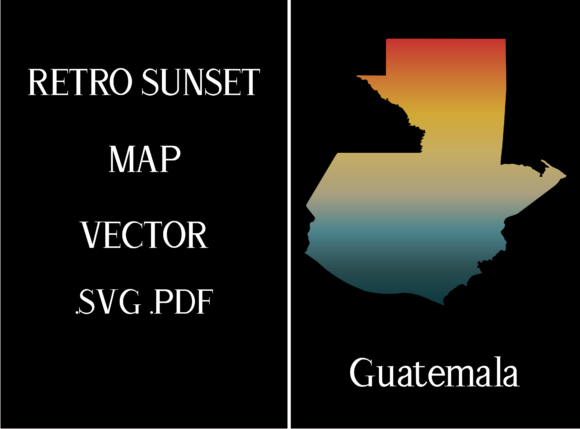
The first thing that strikes you about the Guatemala Retro Sunset Map is its composition. It leans heavily into the retro wave style, utilizing layered geometric shapes to suggest a sunset over the country's silhouette. For an embroidery project, this layout is intriguing because it balances open space with defined edges. The design does not feel cluttered, which is a massive relief. Too often, "retro" designs rely on gradients that are impossible to replicate with thread, but this piece seems to rely on distinct color blocks. This suggests a reliance on fill stitch areas that should lay flat if the density is managed correctly. The shape of Guatemala itself provides a strong, recognizable outline, making it an excellent candidate for applications where immediate visual recognition is key, such as logos or branding elements.
Real-World Application: The Boutique Tote Scenario
To truly evaluate this design, I imagined a specific real-life scenario: a custom order for a local travel agency needing branded merchandise for a cultural heritage event. They requested a run of canvas tote bags featuring the Guatemala Retro Sunset Map. This is a perfect test case. Canvas has enough weight to support the design without excessive puckering, and the natural texture of the bag complements the retro vibe.
In this context, the design shines as a tote bag design that tells a story. Unlike a generic flag or text-only logo, this map evokes a feeling of place. If I were stitching this for a client, I would position it centrally on the bag, ensuring the horizon lines of the sunset align perfectly with the bottom edge of the hoop. The result would be a handmade product that feels curated rather than mass-produced. It elevates a simple utility item into a piece of wearable art, likely increasing the perceived value for the end customer. For an Etsy seller or small shop owner, this kind of distinctiveness is what drives clicks and conversions.
Versatility Across Custom Apparel and Home Goods
Beyond tote bags, the versatility of this digital embroidery file is quite broad. I can easily see this working as a chest patch on a denim jacket or as a larger back graphic on a sweatshirt embroidery project. The retro color palette typically associated with these sunsets—burnt oranges, deep purples, and muted yellows—pairs beautifully with earth-toned garments.
For those running a craft business focused on nursery decor, this could be adapted for a pillow cover, provided the scale is adjusted. The organic shape of the map breaks up the rigidity of a square pillow, creating a dynamic focal point. Even for holiday embroidery or travel-themed gifts, the design carries enough emotional weight to serve as a meaningful personalized gift. It moves beyond simple decoration and becomes a conversation starter, which is the holy grail for commercial embroidery projects.
Technical Considerations and Fabric Challenges
While the aesthetic is strong, we must address the technical realities of stitching the Guatemala Retro Sunset Map. The success of this design hinges entirely on how the transitions between the sunset layers are handled. If these are programmed as sharp jumps without proper trimming or if the stitch density is too high in the overlapping areas, you risk creating a stiff, cardboard-like patch on your fabric.
Caution is advised when using this on stretchy fabrics like jersey knits for baby embroidery or fitted tees. Without a robust stabilizer strategy—likely a cut-away for durability—the weight of the fill stitches could distort the garment over time. Similarly, placing this on a curved surface like a cap requires careful attention to the push-and-pull factors. The horizontal lines of the sunset might warp if the hooping tension isn't perfect.
Furthermore, consider the thread colors. Retro designs often rely on specific shades to achieve their vibe. If you are substituting threads from your existing inventory, ensure the contrast remains high enough to define the map's borders. On dark fabrics, you may need to adjust the underlay or add a backing layer to prevent the garment color from bleeding through the lighter sunset hues. Always test the design on scrap fabric first. Check the small details, especially where the map outline meets the background, to ensure there are no gaps or excessive pull.
Enhancing Brand Value and Customer Trust
From a business perspective, using a well-executed design like the Guatemala Retro Sunset Map directly impacts brand consistency and customer trust. When a buyer receives a finished product where the stitching is crisp and the design is relevant, it reinforces the professionalism of the maker. It shows that you care about the details, not just the speed of production.
For design assets intended for resale or licensing, this type of graphic offers high utility. It fits seamlessly into printable mockup collections for digital sellers who want to show how their designs look on physical goods. However, before listing any items for sale, you must verify the licensing terms included with the set. Ensure that the embroidery file allows for commercial use if you plan to sell the stitched items. Never assume; always read the fine print to protect your small shop product line.
Final Verdict for the Practical Maker
The Guatemala Retro Sunset Map is a compelling addition to any designer's library, particularly for those focusing on travel, culture, or retro-themed collections. Its strength lies in its ability to convey a complex idea—a specific location and a specific mood—through a relatively simple geometric language. While it demands respect regarding fabric choice and stabilization, the payoff is a high-impact visual that resonates with modern consumers. Whether you are creating a one-off embroidered patch for a friend or rolling out a new line of custom apparel, this design offers the professional polish needed to stand out in a crowded market. Just remember to check your hoop size compatibility and run those essential test stitches before committing to the final run.