Laos Retro Sunset Map: A Designer's Field Review
As someone who spends more time staring at stitch simulations than most people spend watching television, I approach every new machine embroidery design with a mix of optimism and skepticism. We have all been burned by beautiful digital previews that turn into thread nests on the hoop. So, when I first pulled up the Laos Retro Sunset Map, I wasn't just looking at a pretty picture; I was mentally calculating density, pull compensation, and fabric compatibility. This isn't just a graphic; it is a potential asset for your craft business, but only if it holds up under the needle.
The First Impression: Mood and Layout
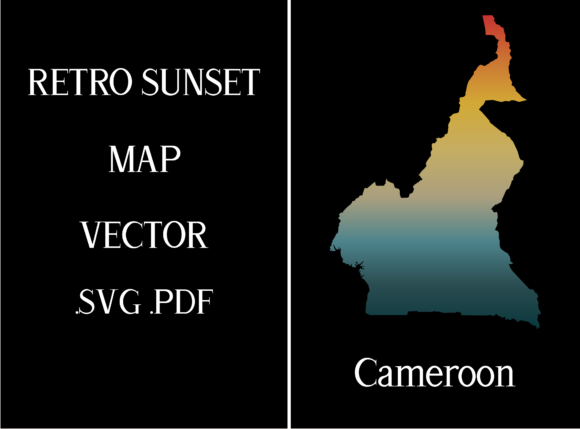
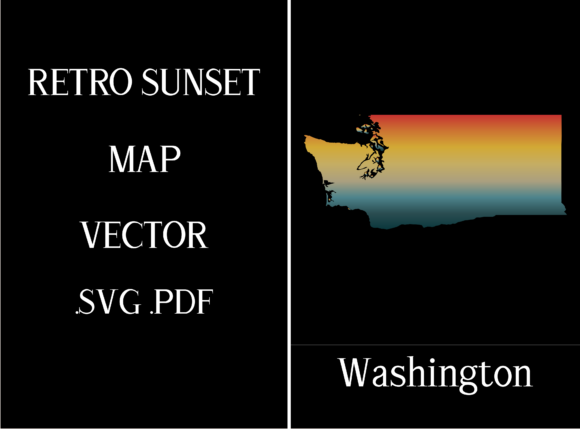
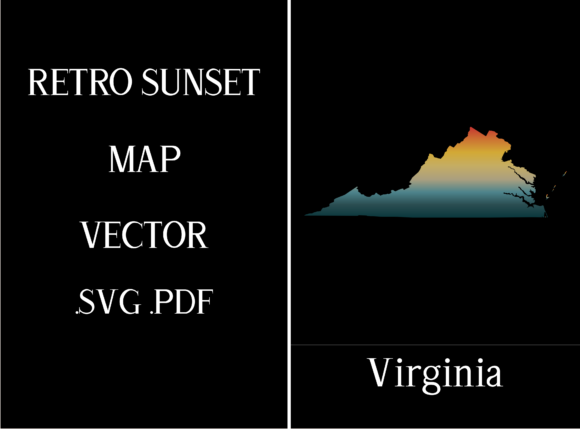
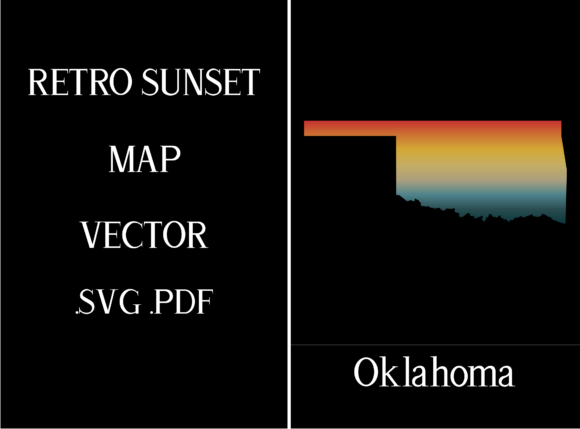
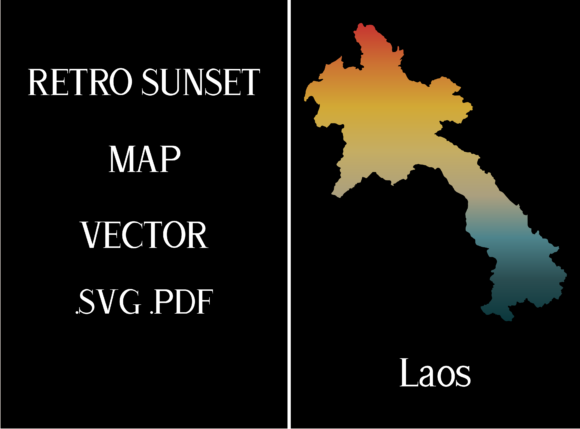
The initial visual impact of the Laos Retro Sunset Map is undeniably strong. It captures that specific nostalgic wave we see in modern travel aesthetics—warm gradients, simplified geography, and a distinct retro vibe. For an embroiderer, the immediate question is always: "How does this translate from pixels to thread?" The layout is generally clean, which is a good sign. Complex, hyper-realistic maps often fail in embroidery because the machine cannot render tiny borders or microscopic text without turning them into blobs. This design, however, seems to embrace the limitations of the medium by using bold shapes and distinct color blocks.
The theme suggests adventure and wanderlust, making it a natural fit for custom apparel aimed at travelers or those with heritage connections to the region. As a Logo or brand mark for a travel blog or boutique agency, it has the right kind of personality. It feels established yet playful. However, the "Retro" aspect usually implies a specific color palette. In embroidery, achieving smooth gradients can be tricky depending on whether the embroidery file utilizes blend modes or distinct rows of fill stitch. If the design relies heavily on subtle shading, you need to be very careful about your thread selection to maintain that vintage feel without it looking muddy.
Real-World Application: The Tote Bag Test
To truly evaluate this design, I imagined a specific real-life scenario: producing a run of canvas tote bags for a local market stall. Canvas is a forgiving fabric, but it has texture. The Laos Retro Sunset Map would sit beautifully on a natural or off-white canvas tote. The earthy tones of the map would pop against the neutral background, creating a high-value handmade product that looks professional rather than homemade.
In this context, the design acts as a statement piece. It is large enough to be seen from a distance but detailed enough to invite closer inspection. If you are an Etsy seller looking to expand beyond simple monograms, this type of graphic is gold. It allows you to create a finished product that tells a story. Imagine pairing this with a simple sans-serif font underneath for a personalized gift. The combination of the map and a name creates an immediate emotional connection for the buyer.
However, let's talk about sweatshirt embroidery. This is where things get interesting. A retro map looks fantastic on the chest of a heather grey crewneck. The texture of the fleece adds to the vintage aesthetic. But here is the catch: sweatshirt fabric is thick and often fuzzy. If the stitch density of the Laos Retro Sunset Map is too low, the fabric will peek through the stitches, ruining the solid color blocks. Conversely, if the density is too high, you risk creating a stiff, cardboard-like patch that pulls the garment out of shape. Before committing to a production run, you must test this on scrap fabric that matches your final product.
Navigating Fabric Challenges and Hoop Limits
Not every project is a flat tote bag or a sturdy sweatshirt. What happens when a client wants this on a curved surface, like a baseball cap? Caps are notoriously difficult for wide designs. The Laos Retro Sunset Map likely has a horizontal orientation to capture the breadth of the country. You need to check the hoop size requirements immediately. If the design exceeds the width of a standard cap frame, you simply cannot use it for that application without resizing, which might compromise the integrity of the small details.
Furthermore, consider baby embroidery. Parents love unique, geographic themes for nurseries. Putting this map on a onesie or a burp cloth is a charming idea. However, baby fabrics are thin, stretchy, and delicate. A design with heavy fill stitch areas can cause the fabric to pucker or tear after a few washes. For these applications, you might need to pair the design with a high-quality cutaway stabilizer to provide permanent support. Never skimp on stabilizer with a design of this magnitude; the weight of the thread needs to be counterbalanced.
Dark fabrics present another hurdle. The retro sunset palette likely includes oranges, yellows, and faded reds. These colors can vanish against a black or navy background unless the digitizer included a proper underlay or if you manually add one. Always review the thread colors in your software before stitching. You may need to swap out specific shades to ensure sufficient contrast. A printable mockup is useful for sales, but a physical stitch-out on dark fabric is the only way to know for sure if the design reads correctly.
Commercial Viability and Brand Consistency
For commercial embroidery projects, consistency is key. If you are selling this as part of a collection, the Laos Retro Sunset Map needs to match the quality of your other items. Does it look like a premium design asset, or does it look like a cheap iron-on transfer? The difference lies in the stitching clarity. Sharp corners, smooth curves, and consistent tension define professionalism. If this design delivers on those fronts, it builds customer trust. Buyers return to shops that deliver high-quality personalized gifts that last.
From a branding perspective, this design fits well within the current trend of "slow travel" and meaningful consumption. It appeals to customers who want their small shop product to reflect their values. Whether used as an embroidered patch sewn onto a jacket or directly stitched onto a linen pillow cover, the versatility is there. However, remember that the original description mentions suitability for print-on-demand and paper products. Just because a graphic works for printing doesn't mean the digital embroidery file is optimized for stitching. Print handles infinite detail; embroidery does not. Always verify that the file you purchase is specifically digitized for machines, not just a vector image converted automatically.
Final Verdict and Practical Notes
My assessment of the Laos Retro Sunset Map is cautiously optimistic. It has the visual flair needed to stand out in a crowded marketplace of generic designs. Its strength lies in its thematic relevance and bold composition. However, its success in your hands depends entirely on your preparation.
Here are my non-negotiable steps before you stitch this on a customer's item:
- Test on Scraps: Always stitch the design on the exact fabric you plan to use. Check for puckering and registration issues.
- Check Density: Inspect the back of the sample. Is there excessive thread buildup? If so, adjust your tension or density settings.
- Verify Licensing: The description mentions use for various crafts, but always confirm the specific license terms for commercial embroidery. Can you sell the finished physical item? Can you resell the file? Clarity here protects your business.
- Stabilizer Strategy: Match your stabilizer to the fabric. Water-soluble for towels, cutaway for knits, and tear-away for stable wovens.
- Thread Contrast: Ensure your thread chart matches the retro vibe. Don't substitute neon threads for muted vintage tones unless you intend to change the mood completely.
In conclusion, the Laos Retro Sunset Map is a compelling choice for designers willing to do the legwork. It bridges the gap between artistic expression and technical execution. When treated with the respect it deserves—proper hooping, appropriate materials, and careful testing—it transforms from a simple Graphics file into a cherished keepsake. Whether you are decorating a holiday embroidery gift or building a line of travel-themed apparel, this design offers a solid foundation for creativity. Just remember: the machine does the stitching, but the designer makes the decisions. Make them wisely.