Malawi Retro Sunset Map: A Designer's Review
When I first pulled up the Malawi Retro Sunset Map on my screen, I wasn't just looking at a graphic; I was immediately visualizing the stitch-out. As someone who spends hours digitizing and reviewing files for real-world application, my first instinct is always to look past the pretty preview image and ask: "How will this actually behave under the needle?" This design, categorized under Logos and Graphics, carries a distinct vintage vibe that is incredibly popular right now, but translating that retro aesthetic from a print-ready file to a tangible machine embroidery design requires a critical eye.
The Visual Personality and First Impressions
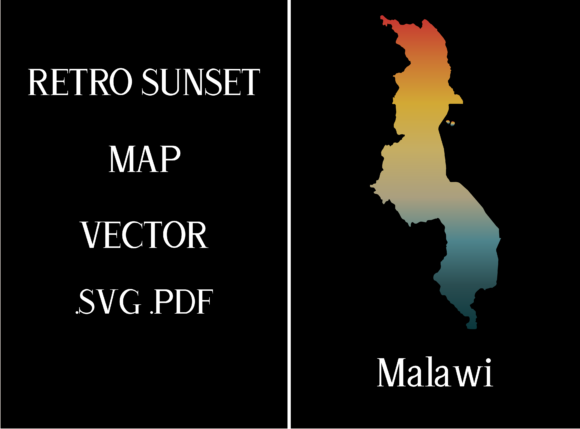
The mood of the Malawi Retro Sunset Map is warm, nostalgic, and adventurous. The layout typically features the distinctive shape of the country set against a stylized sun, often utilizing a gradient or banded color scheme reminiscent of 1970s travel posters. For an embroidery project, this visual personality is a double-edged sword. On one hand, the bold shapes and strong silhouettes make for excellent recognition, which is crucial for brand consistency if you are an Etsy seller creating boutique merchandise. On the other hand, retro designs often rely on subtle color transitions that can be tricky to replicate with thread.
In terms of detail level, this design feels balanced. It isn't overly cluttered, which is a relief. Many map designs fail because they try to include too many internal borders or tiny city markers that turn into a bird's nest of thread breaks. The Malawi Retro Sunset Map seems to prioritize the overall shape and the atmospheric sunset elements, making it a strong candidate for medium-to-large scale applications where the stitch density can breathe.
Real-World Application: The Custom Tote Bag Scenario
To truly test the viability of this embroidery file, let's walk through a realistic scenario. Imagine you are preparing a custom order for a client who runs a small fair-trade coffee shop. They want a limited run of canvas tote bag designs featuring this map to sell in their store. This is a perfect use case.
Canvas provides the stability needed for a design like this. When I visualize stitching the Malawi Retro Sunset Map onto a heavy-weight cotton tote, the fill stitch areas of the map body would lay flat and smooth. The retro sun rays, likely executed in long satin stitch columns or structured fill patterns, would add a lovely texture that elevates the handmade product above a standard printed bag. Customers love the tactile feel of embroidery; it signals quality and durability. In this context, the design adds significant value to the finished product, allowing the shop owner to charge a premium compared to a screen-printed alternative.
However, if we shift this scenario to a stretchy jersey knit sweatshirt embroidery project, the approach changes. You would need to be very careful with your stabilizer choice. A cut-away stabilizer would be non-negotiable here to prevent the design from puckering over time, especially given the potentially dense coverage of the sunset background. The Malawi Retro Sunset Map works beautifully here, but only if the technical execution supports the fabric.
Navigating Fabric Textures and Hoop Constraints
One of the most critical aspects of using any digital embroidery file is understanding its limitations regarding hoop size and fabric texture. While the product description mentions suitability for various items like mugs and stickers, as an embroiderer, I have to filter those claims through the lens of thread and needle.
If you are planning to use this on a curved surface, like a cap, you must verify the dimensions. Caps have a limited stitching area, and if the Malawi Retro Sunset Map is too wide, the edges might get cut off or distorted by the curvature. Furthermore, textured fabrics like pique polo shirts or thick towels can obscure fine details. If the design relies on thin running stitch outlines to define the map borders, those lines might get lost in the loop of a towel. In such cases, this design is better suited for smoother fabrics like twill, denim, or broadcloth where the thread colors can pop with clarity.
Dark fabrics present another consideration. The retro sunset palette usually involves warm oranges, yellows, and reds. These colors generally have good coverage, but if the design includes light blue sky elements, you might need an underlay stitch or even a white backing to prevent the dark garment color from showing through and muting the vibrancy of the Logos and Graphics.
Commercial Viability and Brand Trust
For craft business owners and creative entrepreneurs, the visual appeal of a design directly impacts buyer engagement. The Malawi Retro Sunset Map has a high "giftability" factor. It appeals to travelers, expats, and those with heritage connections to the region. When used correctly, it enhances professionalism. A cleanly stitched map on a high-quality apron or pillow cover looks intentional and curated.
However, sloppy execution can damage customer trust. If the stitch count is too high for the fabric, causing stiffness, or if the color contrast is poor, the item looks cheap. Before listing this as a small shop product, I recommend creating printable mockup images that accurately represent the texture of the embroidery, not just the flat digital art. This manages customer expectations and highlights the unique value of your custom apparel or home decor items.
Practical Notes for the Embroiderer
Before committing to a production run, here are my essential steps for vetting the Malawi Retro Sunset Map:
- Test on Scrap: Always stitch a sample on the exact fabric you intend to use. Check for puckering and registration issues.
- Check Thread Contrast: Ensure the sunset gradients translate well with available thread brands. You may need to manually adjust color stops in your software.
- Review Density: Look at the preview in your embroidery software. Are there areas where stitches overlap too much? High density can cause thread breaks.
- Verify Dimensions: Confirm the hoop size requirements. Do not assume it fits a 4x4 hoop just because it looks small on screen.
- Inspect Small Details: Zoom in on the map borders. Are the lines continuous? Tiny gaps can ruin the silhouette.
- Mockup in Black and White: This helps you see the value contrast without being distracted by the pretty retro colors.
- Stabilizer Strategy: Match your stabilizer to the fabric weight. Water-soluble tops can help if stitching on plush towels or fuzzy fleece.
- Licensing Check: Since this is sold as a graphic asset, explicitly confirm the license terms. Does the purchase allow you to sell physical embroidered patches or holiday embroidery gifts commercially? Never assume digital rights extend to physical resale without verification.
The Malawi Retro Sunset Map is a compelling design asset with strong potential for commercial embroidery and personal projects alike. Its strength lies in its bold, recognizable shape and trendy aesthetic. However, its success depends entirely on the skill of the maker to adapt it to the constraints of thread and fabric. Whether you are making a personalized gift for a friend or expanding your Etsy catalog with baby embroidery items, treat this file as a foundation. With the right technical adjustments and material choices, it can become a standout piece in your portfolio.