Peru Retro Sunset Map: A Designer's Stitch Review
When I first pulled up the Peru Retro Sunset Map on my screen, I wasn't just looking at another graphic to digitize; I was evaluating a potential flagship product for my upcoming summer collection. As someone who spends hours hunched over embroidery machines and tweaking files for clients, my first impression is always about translation. How does this flat image translate into thread? Does it have the structural integrity to hold up on a textured tote bag, or will it get lost on a pique polo? This design, categorized under Logos and Graphics, immediately struck me with its warm, nostalgic vibe. The retro aesthetic isn't just a trend; it's a mood that sells, especially when executed with the right stitch types.
The Visual Personality and Stitch Potential
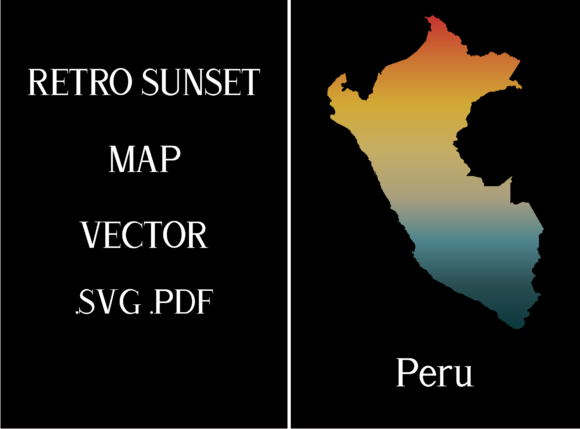
The layout of the Peru Retro Sunset Map is deceptively simple, which is often where the magic happens in machine embroidery. The silhouette of the country provides a strong, recognizable anchor, while the layered sunset bands offer a fantastic opportunity to play with thread colors. In a digital format, gradients are easy, but in embroidery, we rely on color blocking and stitch direction to create depth. I envision this working beautifully with a combination of satin stitch for the bold text elements (if included in your specific file version) and a tight fill stitch for the map body. The retro sun rays suggest a potential for creative running stitch accents or even a decorative border that frames the piece without overwhelming it.
For an Etsy seller or a craft business owner, the visual appeal here is high. It screams "boutique" rather than "mass-produced." When a customer sees this on a handmade product, they perceive value. The clean lines suggest professionalism, which builds immediate customer trust. However, the success of this embroidery project hinges entirely on how you handle the color transitions. If the file you purchase has too many color stops, you're looking at excessive trim times and potential thread breaks. My advice is to review the stitch sequence carefully before loading it onto your machine.
Real-World Application: The Summer Tote Scenario
Let's walk through a real-life scenario. Imagine you are preparing a run of custom canvas tote bag designs for a local farmer's market or a travel-themed boutique. You choose a natural, unbleached cotton canvas. The earthy tones of the Peru Retro Sunset Map pop incredibly well against this background. I would recommend using gold, burnt orange, and deep teal threads to capture that retro sunset feel. Because canvas has a distinct fabric texture, you need to ensure your stitch density is high enough to cover the weave but not so dense that it causes the fabric to pucker or the needle to perforate the material excessively.
In this context, the design acts as more than just decoration; it becomes a statement piece. A customer buying this finished product isn't just buying a bag; they are buying a piece of art that represents wanderlust and style. For small shop products, this kind of versatility is gold. You could easily adapt the same digital embroidery file for a line of sweatshirt embroidery using French terry cloth, provided you adjust your stabilizer strategy. On a sweatshirt, the loft of the fabric requires a cut-away stabilizer to prevent the design from sinking in over time, ensuring the Peru Retro Sunset Map remains crisp and visible after multiple washes.
Navigating Fabric Challenges and Hoop Constraints
While this design is versatile, it is not without its challenges. One must be cautious when applying it to stretchy fabric like jersey knits used in baby embroidery or fitted tees. The solid fill areas of the map can restrict the natural stretch of the fabric if the density is too high. In these cases, I always suggest testing on scrap fabric first. Check how the material reacts when stretched post-stitching. If the stitches crack or the fabric bubbles, you may need to reduce the density or switch to a lighter weight thread.
Another consideration is the hoop size. Depending on the specific dimensions of the Peru Retro Sunset Map file you acquire, it might require a larger hoop, which can be tricky on curved surfaces like caps or visors. If you are attempting cap embroidery, ensure the design fits within the limited vertical space of a standard cap frame. Detailed corners in the map outline could also pose a risk of bird-nesting if the machine speed is too high or if the needle isn't sharp enough for the material. Always inspect small details closely; a jagged edge on a country border can ruin the professional look of an otherwise stunning piece.
Commercial Viability and Brand Consistency
For those looking to expand their design assets for commercial use, the Peru Retro Sunset Map offers excellent potential for brand consistency. If you are building a brand around travel, geography, or retro aesthetics, this graphic serves as a perfect logo variant. It works well on personalized gifts too. Imagine stitching this onto a kitchen towel or an apron for a cooking enthusiast who loves South American cuisine. The connection between the product and the user becomes personal and meaningful.
However, before listing these items on your Etsy shop or selling them at a craft fair, you must verify the licensing terms. The product description mentions suitability for print-on-demand and various crafts, but embroidery often falls into a specific gray area regarding resale rights. Ensure that the license allows for commercial embroidery on physical goods. You do not want to build a product line only to face legal issues later. Additionally, since the description lists it as part of a set containing graphics, confirm if you are receiving a native embroidery file (like .PES, .DST, or .EXP) or if you are expected to digitize the graphic yourself. If it is a graphic only, factor in the time and skill required to convert it into a stitch-ready machine embroidery design.
Final Thoughts on Execution
Ultimately, the Peru Retro Sunset Map is a strong contender for any designer's library, provided it is treated with the respect it deserves. It is not a "load and go" file for every situation. It demands attention to stabilizer choice, thread tension, and fabric selection. When done right, the result is a custom apparel item or home decor piece that feels premium and thoughtful. Whether you are creating a holiday embroidery gift for a family member or stocking inventory for a boutique, this design has the visual weight to carry the project. Just remember to test your mockups, check your contrasts on dark versus light fabrics, and always prioritize the longevity of the stitch. That is the difference between a hobbyist project and a professional embroidered patch or garment that customers will cherish for years.