The Bahamas Retro Sunset Map: A Designer's Stitch Review
When I first pulled up The Bahamas Retro Sunset Map on my screen, I wasn't just looking at a graphic; I was immediately visualizing the finished product. As someone who spends hours digitizing and stitching for clients, my first instinct is always to look past the pretty preview and ask, "How will this actually behave under the needle?" This design falls squarely into the Logos and Graphics category, but its potential goes far beyond a simple digital asset. It has that specific retro vibe—warm gradients, clean lines, and a nostalgic travel poster feel—that translates beautifully into thread if handled correctly.
First Impressions and Visual Personality
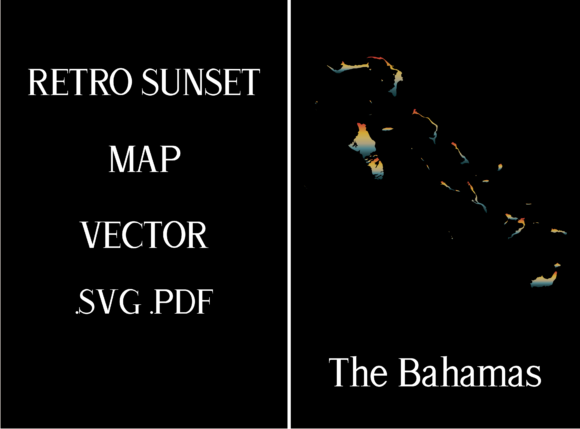
The mood of this piece is undeniable. It captures the laid-back, sun-drenched atmosphere of the islands without being cluttered. For an embroidery project, clarity is king. The layout of The Bahamas Retro Sunset Map features distinct shapes that separate the map outline from the sunset background elements. This separation is crucial for us as machine embroidery designers because it allows for clear transitions between thread colors. If the elements were too blended, we would struggle with color bleeding or excessive trimming, but here, the visual personality suggests a design that can be executed with confident fill stitches and crisp running stitch outlines.
The color palette implied by the "retro sunset" theme naturally lends itself to vibrant thread choices. Imagine deep oranges, soft pinks, and warm yellows contrasting against a teal or navy map silhouette. This contrast is what makes a handmade product pop. Whether you are creating a custom apparel piece for a boutique or a personalized gift for a traveler, the visual appeal relies on these bold blocks of color standing out against the fabric texture.
Real-World Application: The Tote Bag Scenario
Let's walk through a real-life scenario where I would deploy this design. Picture a local beach shop needing a run of branded tote bags for the summer season. They want something that feels artisanal but professional. The Bahamas Retro Sunset Map is perfect for this. I would select a heavy-weight canvas tote, likely in a natural or off-white shade to let the sunset colors shine.
In this context, the design acts as a statement piece. Because it functions well as a logo or central graphic, it doesn't need much embellishment. I would hoop the bag carefully, ensuring the fabric is drum-tight to prevent puckering. The result would be a sturdy, washable item that customers immediately recognize as high-quality. The design's structure supports the durability needed for a tote bag that might carry groceries or beach gear. It elevates a simple cloth bag into a small shop product that people actually want to carry around.
Beyond tote bags, this graphic shines on sweatshirt embroidery. A heather grey crewneck with this design centered on the chest creates an instant vintage aesthetic. The stitch density required for the solid areas of the map would add a nice tactile weight to the garment, making it feel substantial and valuable. For baby embroidery, however, we would need to be more cautious. While the theme is cheerful, the stitch count and density might be too heavy for delicate infant skin unless scaled down significantly and tested on soft knits.
Navigating Technical Challenges
No design is without its quirks, and honest review means addressing where The Bahamas Retro Sunset Map requires careful handling. One major consideration is the hoop size. Depending on the specific file version you download, the design might be large. If you are working with a standard 4x4 hoop, you might need to resize the graphic, which brings us to the issue of detail loss. Tiny corners in the map outline or thin lines in the sunset rays could disappear if the design is shrunk too much. Always check the minimum recommended size before committing to a small project like a cap or a pocket patch.
Fabric choice is another critical variable. This design likely utilizes a mix of satin stitch for borders and fill stitch for the colored zones. On textured fabrics like terry cloth towels or waffle weave aprons, those fine details can get lost in the loops of the fabric. For kitchen towels or holiday embroidery on textured linens, I recommend using a heavier cut-away stabilizer to provide a smooth foundation. Conversely, on stretchy fabrics like jersey t-shirts, the density of the fill stitches could cause the fabric to pucker or distort over time. In those cases, a water-soluble topper is essential to keep the stitches sitting on top of the fibers rather than sinking in.
Curved surfaces present their own challenge. If you are attempting this on a structured cap, the curvature can distort the circular or arched elements often found in retro sunset designs. You must ensure your digitizing (or the pre-digitized file) accounts for pull compensation. If the design wasn't specifically optimized for caps, it might look skewed once stitched. For the best results on hats, stick to flat patches that you sew on later, rather than direct-to-garment stitching.
Enhancing Brand Value and Customer Trust
For Etsy sellers and creative entrepreneurs, the presentation of the finished product is everything. Using a cohesive graphic like The Bahamas Retro Sunset Map helps build brand consistency. If you sell travel-themed goods, this design becomes a recognizable asset in your shop. It signals to the buyer that you care about aesthetics and quality. A well-stitched version of this graphic on a pillow cover or wall art piece adds a layer of professionalism that mass-produced prints often lack.
The "handmade" factor is a huge selling point. When a customer sees the texture of the thread and the precision of the stitches, they perceive higher value. This design, with its clean lines and bold colors, is particularly good at showcasing stitch quality. There are no ambiguous gray areas where poor tension would be obvious; the blocks of color demand precision, which rewards the skilled maker. This builds customer trust and encourages repeat business, whether you are selling physical goods or digital embroidery files for others to use.
Practical Notes for the Studio
Before you start stitching for a client or listing items in your store, here are a few practical steps I always take with new graphics:
- Test on Scrap First: Never skip the test stitch-out. Use the exact fabric and stabilizer combination you plan to use for the final product to check for registration issues.
- Check Thread Contrast: Ensure your chosen thread colors match the retro vibe. Sometimes digital screens lie, so compare your physical thread spools against the design preview.
- Review Stitch Density: If the design feels too stiff after stitching, consider reducing the fill density in your editing software if you have the editable file, or choose a lighter fabric.
- Verify Licensing: Since this is marketed for print on demand and craft projects, double-check the license terms regarding commercial use. Can you sell the finished embroidered item? Can you resell the digital embroidery file? Clarity here protects your craft business.
- Mockup Testing: Create printable mockups or digital previews to see how the design looks on different colored garments before committing to production.
Ultimately, The Bahamas Retro Sunset Map is a versatile asset. It bridges the gap between digital graphics and tangible textile art. Whether you are making a single personalized gift or running a batch of commercial embroidery orders, this design offers a strong foundation. It invites creativity while demanding respect for the technical limits of the machine. By understanding its strengths in color blocking and its limitations regarding scale and fabric texture, you can turn this graphic into a standout finished product that resonates with buyers and stands the test of time.